2026 Global Geopolitical Crisis: Complete Analysis of Russia-Ukraine, Gaza, Taiwan & Cold War 2.0
The world in 2026 remains entangled in a complex web of geopolitical tensions, military conflicts, and power struggles. This comprehensive analysis examines the four most critical global conflicts: the Russia-Ukraine War, the Israel-Palestine Crisis (Gaza), the Taiwan Strait tensions, and the emerging Cold War 2.0 between the USA and the China-Russia alliance. We'll explore each side's perspective, the stakes involved, and what the future might hold.
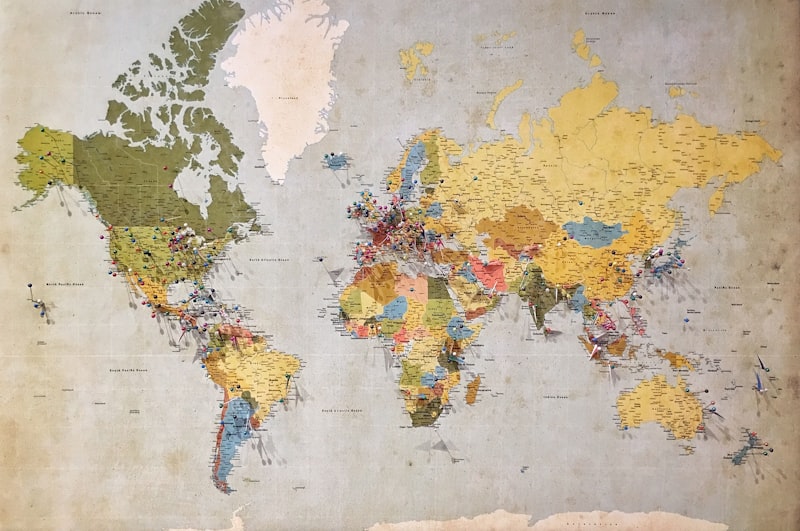
[IMAGE: World Map highlighting conflict zones - Russia, Ukraine, Gaza, Israel, Taiwan]
The Geopolitical Landscape of 2026
The international order has fractured significantly since 2024. Traditional alliances are being tested, economic sanctions are creating new trade blocs, and the risk of unintended escalation remains dangerously high. Each conflict feeds into a larger pattern of great power competition.
Russia-Ukraine War: Frozen Conflict or Path to Escalation?
Who is Involved?
• Russia: Seeking military control and strategic buffer zones
• Ukraine: Fighting for sovereignty and territorial integrity
• NATO & Western Allies: Providing military aid and economic support
• China, Iran, North Korea: Providing varying levels of support to Russia
Russia's Perspective:
• NATO expansion threatens Russian security
• Ukraine historically belongs to Russia's sphere of influence
• Western military support violates Russia's red lines
Ukraine's Perspective:
• This is an illegal invasion and violation of international law
• Ukraine has the right to choose its own political path
• Western support is essential for survival
[IMAGE: Destroyed Ukrainian city showing war damage]
Military Capabilities and Strategy:
• Russia: Missiles, artillery, air force, cyber warfare, energy infrastructure attacks
• Ukraine: Western-supplied tanks, air defense systems, long-range weapons, drone warfare
Current Status (March 2026):
After two years of intense fighting, both sides face exhaustion. Limited territorial gains, massive casualties, and economic strain characterize the conflict. A prolonged stalemate appears more likely than a decisive victory for either side.
Cost of the Conflict:
• Millions of Ukrainian refugees
• Hundreds of thousands of military and civilian casualties
• Massive destruction of cities and infrastructure
• Global energy crisis and inflation
• Western weapons depletion and economic burden
• Russian economic sanctions limiting growth
Probable Outcomes:
• Continued low-intensity warfare with occasional escalations
• Partial territorial control divided by defensive lines
• Frozen conflict lasting years or decades
• Risk of accidental NATO involvement if mistakes occur
---
The Israel-Gaza Crisis: Unresolved Humanitarian Catastrophe
[IMAGE: Gaza humanitarian crisis, aid distribution]
Who is Involved?
• Israel: Seeking security and elimination of militant threats
• Hamas and Palestinian factions: Fighting against occupation and blockade
• Palestinian civilians: Caught in the crossfire
• USA, Arab states, Egypt: Attempting ceasefire negotiations
• International community: Divided on responsibility and responses
Israel's Argument:
• Right to defend citizens from terrorism
• 2023 attacks justified defensive measures
• Strategic necessity to prevent future attacks
• Hamas uses civilian areas as cover for military operations
Palestinian Perspective:
• Decades-long occupation and blockade
• Denial of basic human rights and freedoms
• Settlements violate international law
• Disproportionate military power creates permanent insecurity
Military Dynamics:
• Israel: Advanced air power, precision-guided munitions, Iron Dome defense systems
• Palestinians: Rockets, tunnels, urban guerrilla warfare, improvised weapons
Humanitarian Crisis:
• Massive civilian casualties
• Destroyed homes and infrastructure
• Healthcare system near collapse
• Severe shortages of food, water, and electricity
• Millions displaced from homes
• Mental health epidemic among survivors
[IMAGE: Humanitarian aid workers helping civilians]
Regional Instability:
• Hezbollah threats from Lebanon
• Houthi attacks in Red Sea
• Iranian-backed militant activity
• Potential for regional escalation
Path Forward:
• Fragile ceasefire agreements frequently broken
• Reconstruction efforts hampered by continued tension
• Deep mistrust between all parties
• No viable political solution yet visible
• Humanitarian aid remains insufficient
---
Taiwan Strait: The Powder Keg of Asia
[IMAGE: Satellite image of Taiwan and Chinese military buildup]
Who is Involved?
• China: Claims Taiwan as breakaway province
• Taiwan: Democratic self-governing nation
• USA: Commitment to Taiwan's defense
• Japan, Australia, India: Concerned about regional stability
• ASEAN nations: Economically dependent on stability
China's Position:
• National pride and territorial unification
• Strategic importance for naval dominance
• Taiwan's semiconductor industry (TSMC)
• Preventing US encirclement
Taiwan's Position:
• Over 75 years of democratic self-governance
• Distinct political and cultural identity
• Right to self-determination
• Fear of authoritarian mainland control
Strategic Importance:
• Taiwan produces 60%+ of world's semiconductors
• Critical chokepoint for global shipping
• First island chain defense against Chinese expansion
• Economic leverage for global tech supply chains
Military Posture:
• China: Massive military drills, naval blockade simulations, cyber operations
• Taiwan & USA: Naval patrols, military exercises, air defense systems
• Risk: Miscalculation or accident could trigger war
[IMAGE: Taiwanese military personnel or defense systems]
Economic Consequences of Conflict:
• Global semiconductor shortage
• Tech supply chain disruption
• Stock market volatility
• Economic decoupling from China
• Massive financial losses
Likelihood of Military Action:
• Short-term (1-2 years): Low but non-zero risk
• Medium-term (3-10 years): Moderate risk of pressure tactics
• Long-term: Depends on global power balance changes
---
Cold War 2.0: The New Bipolar World Order?
[IMAGE: USA and China flags facing each other symbolically]
The Big Picture:
The world is increasingly dividing into two competing blocs:
Western Alliance (USA-led):
• NATO members (EU, UK, Canada)
• Pacific partners (Japan, South Korea, Australia)
• Democratic values and market economies
• Rules-based international order
China-Russia Axis:
• Strategic partnership despite historical tensions
• Authoritarian governance models
• Challenge to Western hegemony
• Alternative development and governance models
Non-Aligned Nations (Playing Both Sides):
• India, Brazil, Mexico, Turkey
• Pursuing independent foreign policies
• Balancing between superpowers
• Seeking maximum economic benefit
[IMAGE: International relations visualization showing power blocs]
Key Battlegrounds:
1. Economic Competition:
- Tech sector: AI, semiconductors, quantum computing
- Supply chain independence
- Digital currency (CBDC) development
- Trade agreements and economic blocs
2. Military Competition:
- Nuclear weapons development
- Hypersonic missile technology
- Space militarization
- Cyber warfare capabilities
3. Ideological Competition:
- Democracy vs. Authoritarianism
- Human rights standards
- Freedom of information
- Governance models
4. Energy and Resources:
- Oil and natural gas competition
- Rare earth elements control
- Climate technology dominance
- Food security
Risks of Cold War 2.0:
• Nuclear proliferation
• Accidental military escalation
• Economic collapse from sanctions
• Proxy wars in third countries
• Inability to cooperate on global issues (pandemics, climate)
• Arms race expenses
Potential for Global Catastrophe:
• Climate change cooperation impossible
• Pandemic response fragmented
• Nuclear accidents or miscalculation
• Economic system collapse
• Mass migration crises
---
Comparison Table: Key Metrics Across All Conflicts
[See embedded table below]
Who is Winning?
Russia-Ukraine: Neither side clearly winning. Ukraine prevented invasion of capital; Russia controls some territory. Both exhausted.
Israel-Gaza: Military stalemate. Israel maintains military superiority but faces international isolation. Palestinians face humanitarian catastrophe without political progress.
Taiwan: Status quo maintained through military deterrence and economic interdependence, but tensions continue escalating.
Cold War 2.0: Ongoing competition with no clear victor. Both sides strengthening different spheres of influence.
---
What This Means for the Future
The next few years (2026-2030) will be critical in determining:
1. Will conflicts freeze into long-term stalemates?
2. Can diplomatic solutions emerge before full escalation?
3. Will economic interdependence prevent war?
4. What role will smaller nations and Non-Aligned Movement play?
5. How will technological advancement (AI, cyber) change warfare?
6. Can global institutions be reformed to prevent escalation?
[IMAGE: United Nations building or international diplomacy]
---
Conclusion
The world in 2026 stands at a critical juncture. Multiple geopolitical conflicts create a dangerous international environment. However, economic interdependence, nuclear deterrence, and the possibility of catastrophic consequences provide reasons for cautious optimism that major powers will avoid direct confrontation.
The coming years will test whether humanity can resolve these conflicts through dialogue, whether international law and institutions can constrain power politics, and whether the cost of conflict will finally convince adversaries that cooperation is preferable to confrontation.
Undoubtedly, the geopolitical landscape will continue to shift. Vigilance, dialogue, and commitment to international law remain essential for global stability and peace.


Comments
Post a Comment