
The Ultimate Hair Growth Routine: A Daily & Weekly Guide for Indian Hair
The Ultimate Hair Growth Routine: A Daily & Weekly Guide for Indian Hair
01. The Foundation: Daily Habits for Scalp Health
Achieving long, lustrous hair is rarely about a single miracle product; it is about the consistency of your daily habits. For Indian hair, which is often thick and prone to dryness, scalp health is the primary gateway to growth. Start your mornings with a gentle scalp massage using your fingertips. This simple act stimulates blood flow, bringing oxygen and essential nutrients to the hair follicles, which is the most natural way to kickstart growth.
Alongside massage, be mindful of environmental stressors. Your hair is an extension of your body’s health; exposure to harsh afternoon sunlight can dehydrate strands, leading to brittleness. Wearing a protective scarf or hat when stepping out in the harsh Indian sun is not just a fashion choice—it is a vital protective measure for your hair’s cuticle.
02. Gentle Handling: Combing & Styling
The way you handle your hair daily dictates the amount of breakage you experience. Always opt for a wide-tooth wooden comb, which is gentler on thick hair than plastic variants that generate static. Begin detangling from the very ends and slowly work your way up to the roots. This method minimizes tension and allows you to remove knots without snapping the hair shaft.
Furthermore, avoid the temptation of tight hairstyles. While high ponytails are convenient, the constant tension on your roots can cause long-term thinning. Similarly, minimize the use of thermal tools like flat irons or curling wands. Excessive heat strips natural oils, leaving your hair dull and prone to split ends. Embracing your natural texture is the best gift you can give your hair.
A simple wooden comb is an essential tool for maintaining the integrity of long, thick hair.
03. Nourishment from Within: Diet & Hydration
Your hair cells are the fastest-growing cells in your body, but they are also the last to receive nutrients. If you aren’t eating well, your hair will be the first to show the signs. Ensure your daily diet includes adequate protein—lentils, paneer, and yogurt are excellent staples for those living an urban, mindful lifestyle. Skipping meals deprives your scalp of the building blocks needed for keratin production.
Hydration is equally crucial. Water acts as a carrier for the nutrients you consume, delivering them to the follicles. If you are dehydrated, your hair will appear limp and lifeless. Pair this with a consistent sleep schedule of 7-8 hours to allow your body the time it needs to regenerate and repair structural damage sustained during the day.
04. Nighttime Protection Strategies
Your hair is most vulnerable while you sleep due to the friction between your strands and the pillowcase. Before heading to bed, gently detangle your hair once more to remove any knots that formed during the day. This prevents these tangles from tightening into mats while you toss and turn.
Consider tying your hair into a loose braid or a soft, low bun. This simple protective style reduces the friction and tension that lead to overnight breakage. Sleeping on a silk or satin pillowcase can also provide an additional layer of protection, as these smooth surfaces allow your hair to glide without snagging, preserving your hard-earned growth.
05. Weekly Rituals for Deep Repair
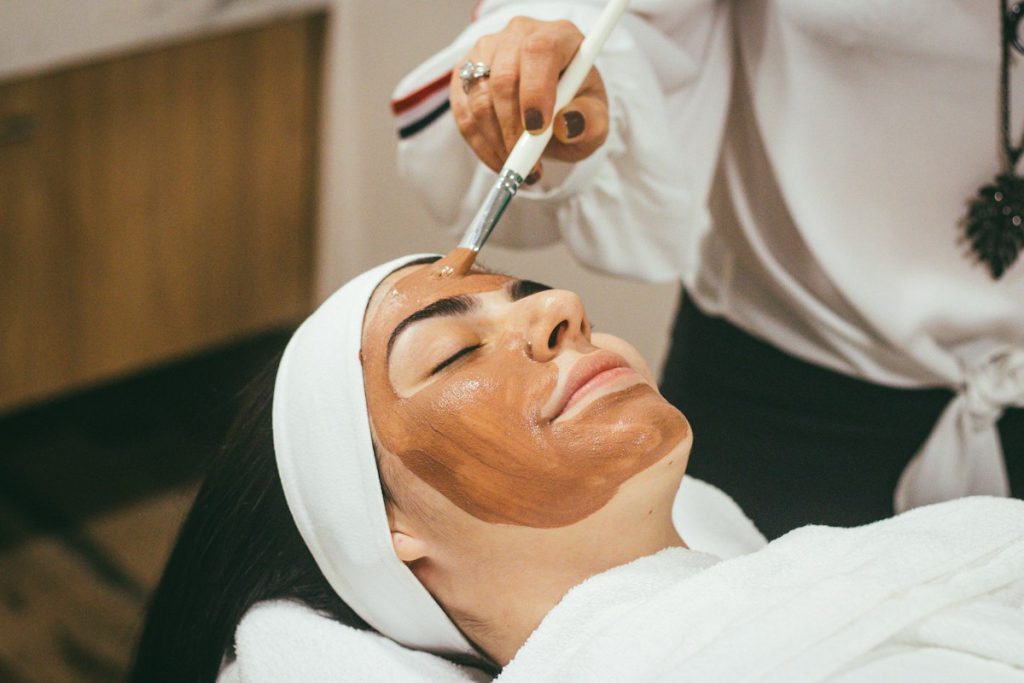
While daily habits maintain your baseline health, weekly rituals take it to the next level. Incorporate a nourishing hair mask once a week. Whether you use natural ingredients like aloe vera and hibiscus or a trusted commercial treatment, the goal is to replenish moisture. Follow this with a hot oil treatment—warm some coconut or olive oil, apply it to your scalp, and wrap a hot towel around your head. The steam helps the oil penetrate the scalp, providing deep nourishment that lasts for days.

Weekly hair masks provide the deep hydration needed to counteract environmental damage.
06. Curated Hair Care Essentials
To support this routine, here are some products that align perfectly with the needs of healthy, long hair:
Affiliate Disclosure: Some links in this article are affiliate links. If you purchase through them, FetchUp may earn a small commission at no extra cost to you.
06. Adapting Your Hair Growth Routine to Indian Hair Types & Monsoon Humidity
Indian hair commonly spans high-density wavy, coarse straight, and tight curl patterns—all of which respond differently to seasonal humidity, UV heat, and scalp sweat. During humid monsoon months, sweat mixed with ambient dust creates an ideal environment for scalp inflammation and Malassezia overgrowth, slowing healthy shedding cycles. Keeping your scalp clean after heavy sweating prevents clogged follicular openings and seasonal hair fall spikes.
Matching Porosity to Pre-Wash Oils & Serums
Before applying heavy traditional oils such as castor or cold-pressed coconut oil, assess how quickly your hair absorbs water:
- Low-Porosity Hair: Cuticles lie flat and resist thick oils, causing greasy buildup if you over-apply. Stick to lighter carrier oils like grapeseed or argan in pea-sized quantities only on the mid-lengths, keeping the scalp clean.
- High-Porosity Hair: Heat-styled, sun-exposed, or chemically colored hair absorbs moisture quickly and loses it just as fast. Focus on lightweight leave-in conditioners and hydrating peptides after washing rather than sealing dry strands with oil alone.
Realistic Timelines: What Normal Growth Actually Looks Like
Human scalp hair grows roughly 1 to 1.25 cm per month (about half an inch). No topical oil, shampoo, or serum changes genetic growth speed overnight. Meaningful reductions in breakage and improvements in strand thickness usually appear after 12 to 16 weeks of consistent habits, backed by adequate protein intake (0.8–1.0 g per kg of body weight), iron/ferritin balance, and gentle detangling.
Clinical Reference & Related Reading: Review the AAD Hair Loss Evaluation Guide. Continue reading on FetchUp: Best Hair Growth Serums in India • 5 Common Hair Care Mistakes.